Best Golf Balls for High Handicappers 2025: When to Save & When to Upgrade
October 30, 20254 min read
Why high handicappers don’t need the premium “tour” ball… yet
If you’re still shooting in the 15–30 handicap range (or above), it’s easy to get swayed by marketing: “Tour urethane cover! Mid‑spin core! Pro‑level performance!” But here’s the truth:
Premium urethane‑covered, high‑spin balls are designed for players who already strike the ball consistently and have swing speeds and launch/spin profiles that can exploit that extra spin/control.
If you’re still working on solid contact, reducing slice/hook, or gaining swing speed, then the “extra” features of a high‑end ball may not fully benefit you yet—and you’ll pay extra for them.
Value matters. You’ll hit a lot of shots in practice, rounds, and still makes mistakes. That means durability, forgiveness and cost per ball become more important. Why pay for features you’re not ready to use?
So instead of spending top‑tier money now, your best strategy is: pick a ball that supports your game now—forgiveness, distance, confidence—and then when your swing and strike improve, upgrade to a tour ball.
2. Key criteria for choosing the right ball if you’re a high handicapper
Here are some things to look for (and avoid) when picking a golf ball at this stage:
What to look for:
Lower to moderate compression: helps slower swing speeds and improves feel.
Durable cover: you’ll hit more shots; you don’t want to wreck a premium cover quickly.
Straight distance rather than ultra‑spin: High spin around the green is nice, but if you’re missing strike or battling trajectory/curve, control ≠ spin yet.
What you don’t need (yet):
Ultra‑high spin urethane covers designed for higher levels.
Features you’ll only exploit once your swing and strike improve.
3. Two great value picks (from Snell) for high handicappers
Here are two excellent choices you offer — with why they make sense:
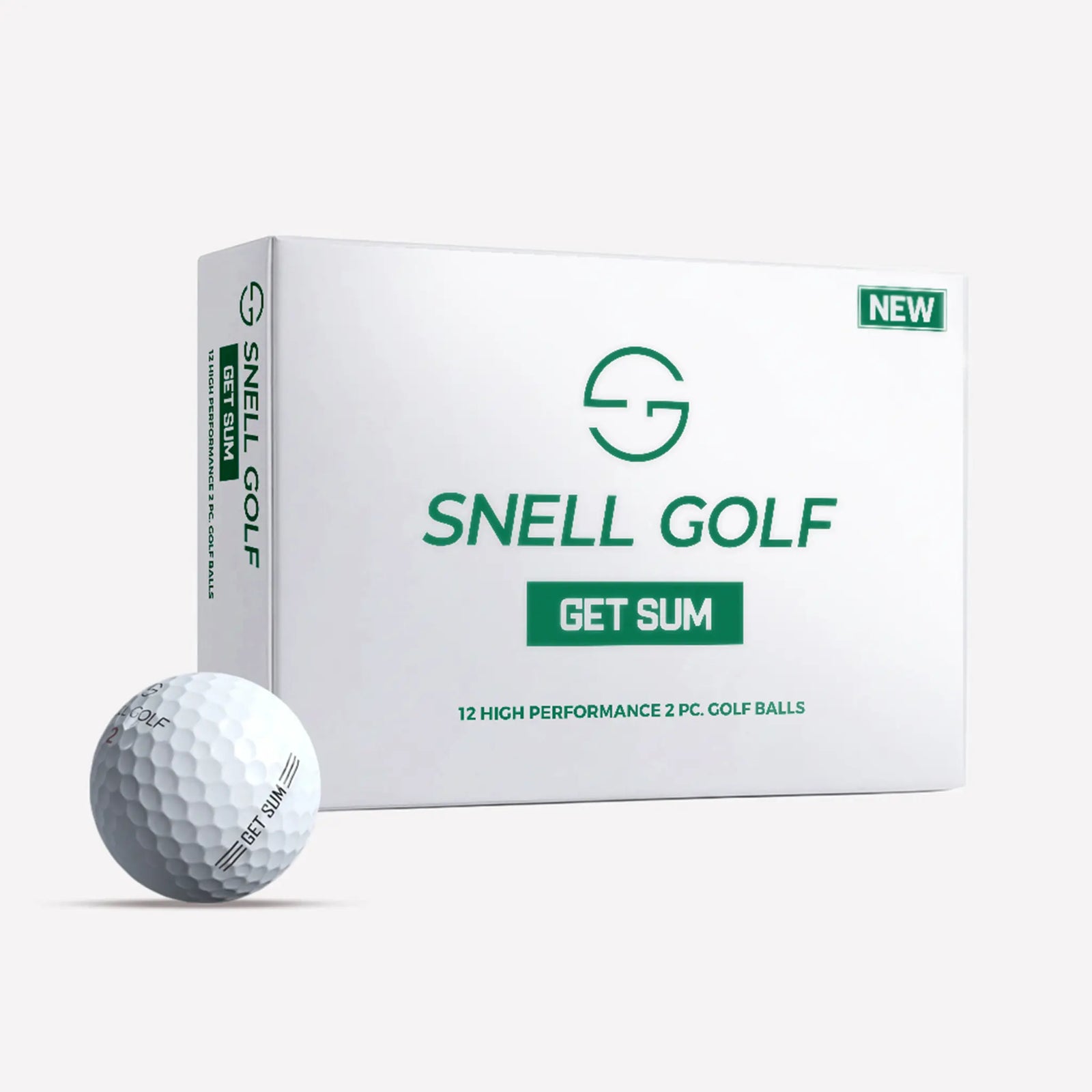
2‑piece construction, ionomer‐blend cover, lower compression (65‑70) which is forgiving for moderate swing speeds.
Large low‑spin core designed for longer carry and fewer big slices/hooks.
Excellent value: built for “fun, value and long distance”.
Ideal for golfers still working on consistency. Less cost risk if you scuff a few, lose a few, or are still fine‑tuning your strike.
Why it makes sense: You don’t need a super premium ball yet; the Get Sum gives good distance, forgiveness, control around the green (for a 2‑piece style) at a smart price. Great starting or “main” ball while you improve.
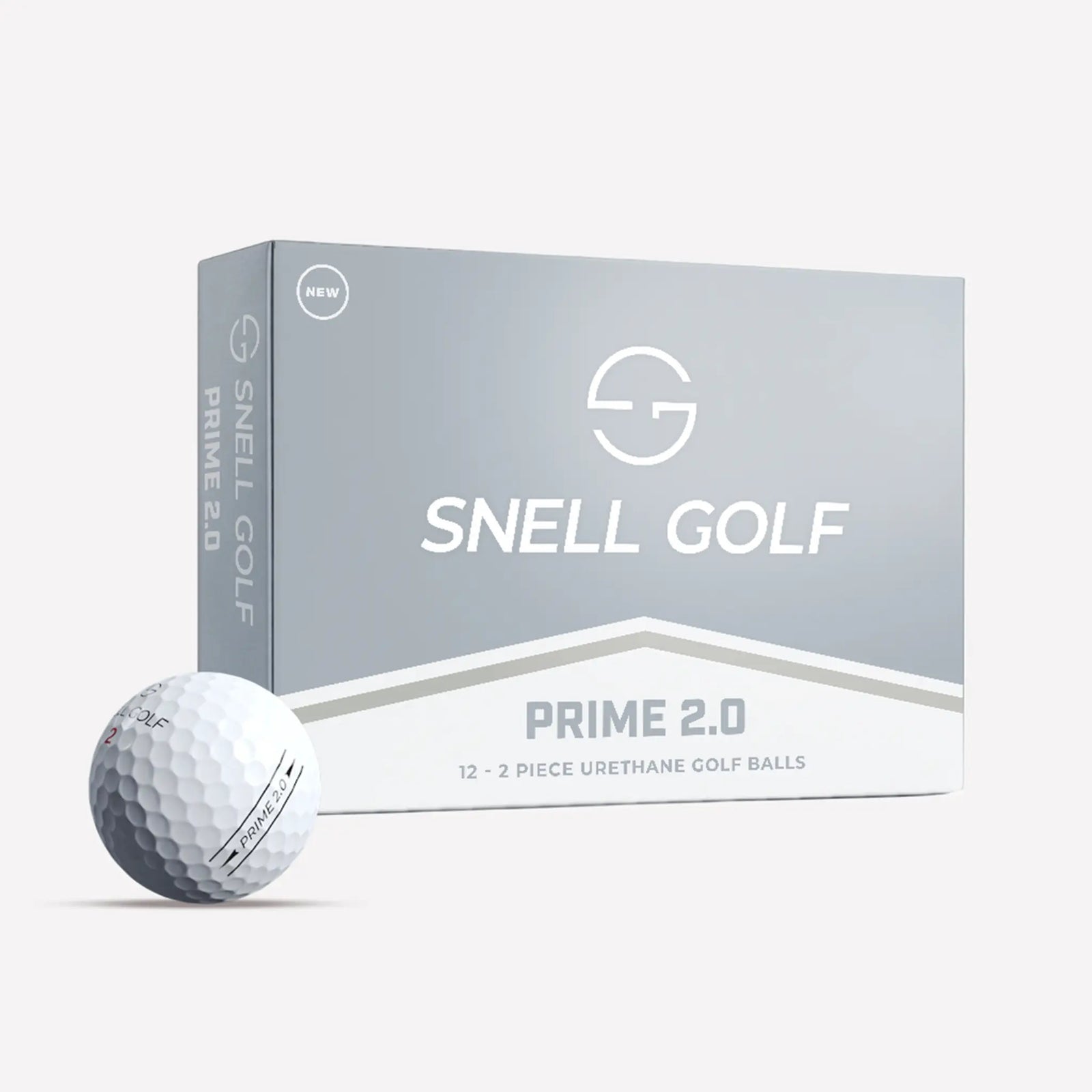
2‑piece but with a urethane cover (XV3) which gives higher short‑game spin than typical value 2‑pieces.
Designed specifically “for more leisurely swing‑speed players … 7‑iron distance of 125 yards or less”.
Covers folks with slower swings (which often includes older golfers) and gives “high spin for greenside control” plus “very soft feel”. Snell Golf
Why it makes sense: If you’re in the “slower swing speed” category—often older golfers or non‑tour players—this is an excellent ball because it gives you a urethane feel/control without the ultra‑premium price. It’s your sweet‐spot upgrade to a “premium feel” ball when you’re ready, without over‑paying.
4. How to decide between these and when to upgrade
If you hit your 7‑iron say below 130 yards, strike is solid and you want the greenside spin of a premium ball, Prime 2.0 is for you. The higher spin will help with all clubs.
If you’re still inconsistent, hit your 7‑iron but hit over 140 yards and are a bit wild the Get Sum is for you. Golfers who are learning but have mid-high iron spin may spin the 2.0 model too much, which can lead to shorter carry. The Get SUm will keep spon under control and lead to lower spin and longer carry.
When you see consistent ball‑strike, reducing mishits, lower handicaps: then you can ask “do I need a full‑tour model?” At that point you’ll benefit more from the extra spin, feel, etc.
Upgrade timeline suggestions:
Once your handicap drops into under 15 handicap or similar.
When you’re buying premium balls but not fully exploiting their features (look at your shot dispersion/spin stats)
Until then: smart value, consistent strike, and confidence over “premium for premium’s sake”.
5. Final thoughts
Don’t feel pressured to buy the most expensive golf ball to “feel like a pro”. The best ball is the one you strike well and feel confident using.
For 2025, if you’re a high handicapper you’re in the value + performance phase of your ball timeline. The Snell Get Sum covers that nicely. If you’re more mature in your game or slower‑swing speed, the Snell PRIME 2.0 gives a urethane cover and upgraded short game performance without breaking the bank.
Focus your investment instead on improving strike, swing mechanics, shot consistency. The ball will pay off more once you’ve locked in those fundamentals.
And once you’re ready to move up, entries like PRIME 3.0 (our #1 seller) give you a bridge into the premium golf ball category without committing to the high cost from some of our competitors.
Subscribe
Sign up to get the latest on sales, new releases and more …