











Best Golf Balls for High Handicappers and Beginners

Nearly 45% of US male golfers carry a handicap of 15.0 or higher, according to the National Golf Foundation, and the average 18-hole score for men is 91, while for women, it is 108. Those numbers matter because they show how most golfers
actually play. For the majority, the right ball can add distance, reduce harsh mishits, and make the game more enjoyable. Research from MyGolfSpy also indicates that golfers with an 80 mph swing can lose up to 15 yards by using a high-compression ball instead of a low-compression option. That is why forgiveness, compression, and cover design matter far more than tour branding.
Best Golf Balls for High Handicappers and Beginners 2025
This 2025 guide focuses on big-handicap balls, designed for slow to average swing speeds. As Dean Snell, founder of Snell Golf and longtime golf ball engineer, explains, “If the ball is too firm for your swing speed, you are simply leaving distance on the table.” That philosophy guides this golf ball buying guide, blending value, performance, and real-world playability across a range of constructions.
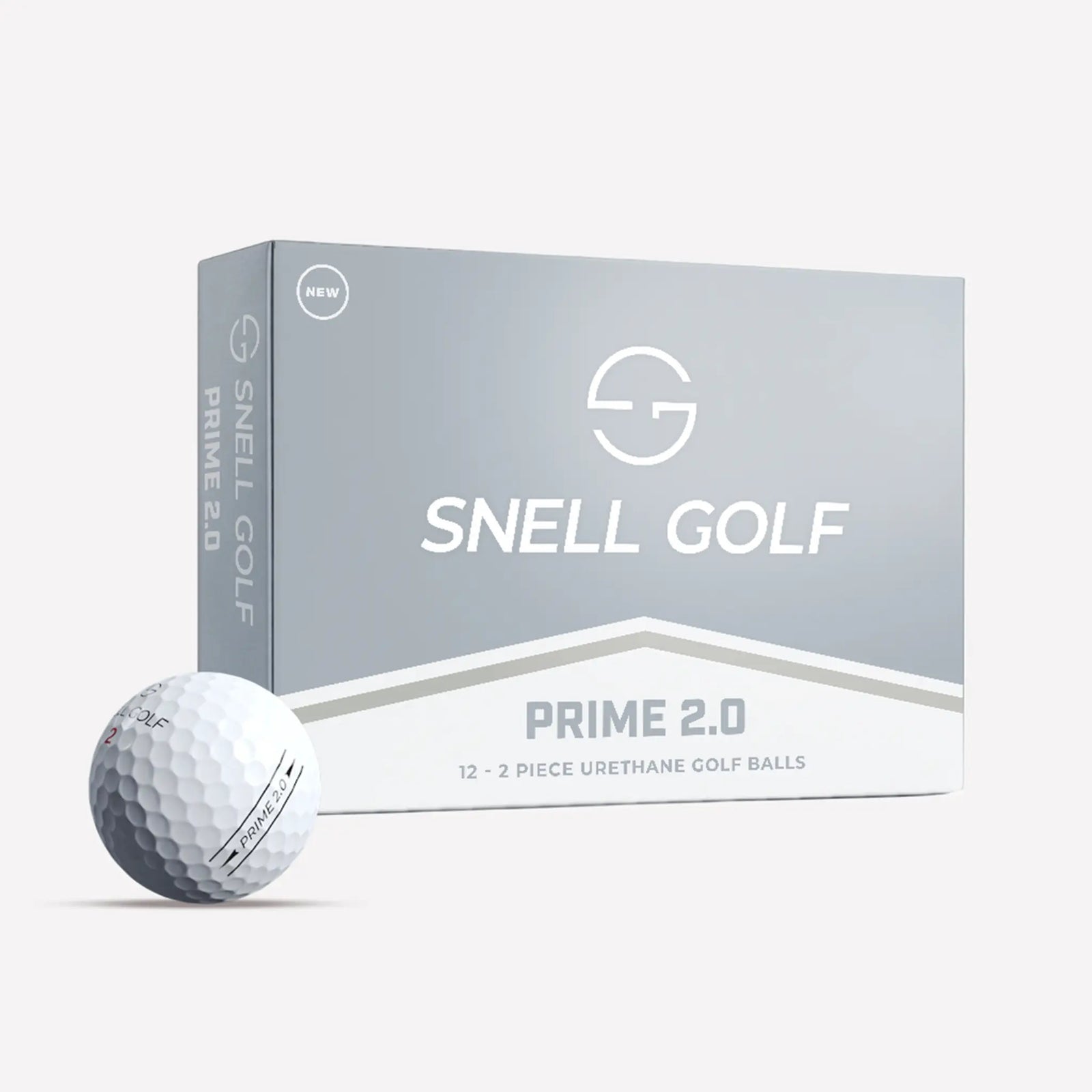
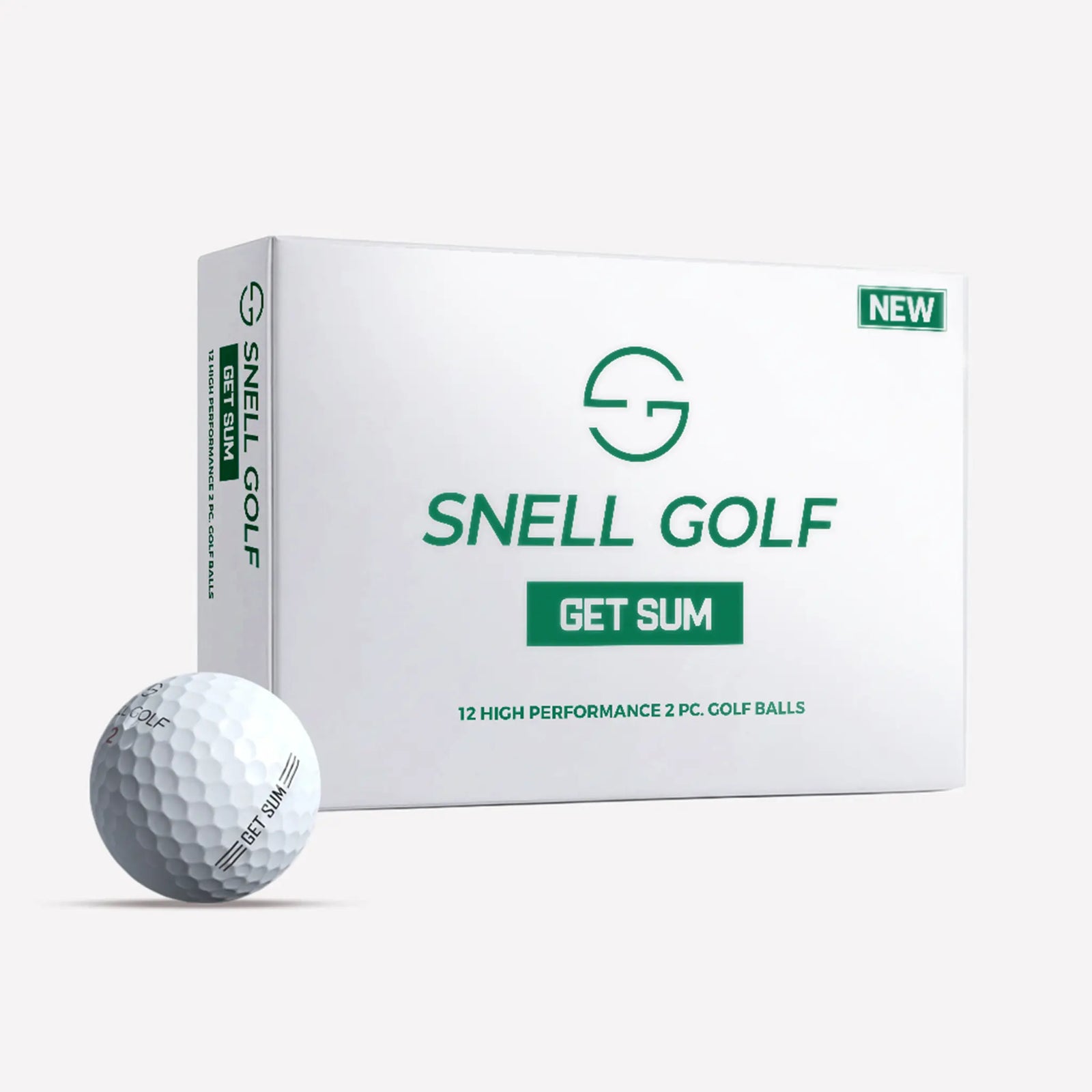
Top Pick- Snell Golf Prime Series Balls
The Snell Golf Prime Series features a multi-layer construction optimised for moderate swing speeds, with a compression profile that falls within the low-to-mid range compared to tour balls. The ball features a soft urethane cover rather than Surlyn, offering improved greenside control without sacrificing speed. Colour options include traditional white and high-visibility finishes for enhanced visibility and easier tracking.
Why We Like It
The Prime Series stands out as a forgiving golf ball that does not force beginners to choose between feel and performance. The soft feel of the putter and wedges is immediately noticeable, while the urethane cover delivers predictable golf ball spin on short shots. An integrated alignment aid helps with setup and confidence on the green. Dean Snell has emphasised that “urethane is not just for tour players, it is about predictable friction and control,” which makes this ball especially appealing for players learning to control distance.
Why You Might Not
Golfers consistently swinging above 100 mph may find the compression a bit soft, leading to higher launch and slightly reduced control on full swings. This ball is tuned more for accessibility than raw speed at very high swing speeds.
Best Value- Kirkland Signature 2025
The 2025 Kirkland Signature model is a three-piece urethane ball designed to offer premium materials at a lower price point. It is available in multiple color variants and features a traditional dimple pattern designed for stable flight.
Why We Like It
Affordability is the headline here for golfers who frequently lose balls; golf ball durability and cost matter as much as performance. The Kirkland ball delivers solid ball speed and respectable distance, making it one of the most accessible distance golf balls with a urethane cover. For players transitioning from basic 2-piece golf balls, this model introduces urethane without a steep price increase.
Why You Might Not
Short-game spin is lower than some competitors, particularly on partial wedge shots. Golfers who rely heavily on finesse around the green may notice less stopping power compared to premium urethane options.
Best Feel- Wilson 2025 Triad
The Wilson Triad features a tri-layer design with a soft cover engineered for balanced mass distribution. Compression is tuned toward the lower end, supporting moderate swing speed golf ball performance.
Why We Like It
Feel is where the Triad shines. The response of the putter is muted and controlled, allowing players to manage distance on long putts effectively. Around the green, the soft cover improves touch without requiring perfect contact. For high-handicap golf balls, this blend of comfort and consistency can help reduce three-putts and mishits.
Why You Might Not
Long-game spin is limited compared to more performance-oriented balls. Players looking to shape shots or generate extra spin with irons may find the flight too neutral.

Best for Launch- Bridgestone e12 High-Launch
This model features a three-piece core design, combined with a proprietary dimple pattern, designed to increase lift. Compression is moderate, supporting players who struggle to get the ball airborne.
Why We Like It
High launch helps beginners carry hazards and hold greens more easily. The e12 produces a noticeably higher trajectory with a soft impact feel, which benefits players who struggle with downward strikes. As Dean Snell has noted, “Launch and speed are tied directly to how the core reacts at your swing speed,” and the e12 is clearly tuned for that purpose.
Why You Might Not
Fast swingers may generate too much height, leading to ballooning shots and loss of control in windy conditions.
Best for Distance- Srixon Distance
The Srixon Distance is a classic two-piece design with a durable ionomer cover. Compression is higher than that of most beginner-focused balls, emphasising both speed and durability.
Why We Like It
For golfers prioritising yardage over feel, this ball delivers a penetrating flight with low spin off the driver. It holds up well over multiple rounds, making it appealing for players who want consistent distance golf balls without worrying about scuffs or wear.
Why You Might Not
Approach shots feel firmer, and short-game control is limited. Players transitioning toward better wedge play may outgrow this model quickly.
Best Wide Appeal- Callaway Hex Bite Soft
This three-piece ball features an alignment aid and a cover designed to strike a balance between durability and feel. Compression sits in the mid range, suitable for a wide range of swing speeds.
Why We Like It
Balanced performance makes this ball easy to recommend. It offers steady distance, reasonable spin, and dependable durability. For golfers unsure about the trade-offs between Surlyn and urethane, this model strikes a comfortable balance.
Why You Might Not
Greenside bite is less pronounced than premium urethane balls, which may limit stopping power on fast greens.
Best Colours and Visibility- TaylorMade SpeedSoft Ink
The SpeedSoft Ink uses a three-piece construction with a soft core and multicoloured visual patterns. Compression is optimised for moderate swing speeds.
Why We Like It
Visibility is crucial for beginners, especially those focusing on alignment and ball tracking. The ink-style graphics improve focus without changing performance. The soft feel supports confidence on chips and putts, making it a strong option among forgiving golf balls.
Why You Might Not
The graphics can be polarising, and traditionalists may prefer a cleaner look. Performance gains are more about confidence than raw numbers.
Throughout golf ball testing, one theme remains consistent. Matching compression, cover, and construction to your swing matters more than brand loyalty. Dean Snell has repeatedly stressed that “there is no universal best ball, only the best fit for how you swing.” For most players scoring in the 90s or higher, low-compression golf balls with forgiving cores and predictable covers offer measurable benefits. Understanding golf ball cover material, managing golf ball spin, and selecting designs that support your swing speed and ball needs will make every round more enjoyable, regardless of your handicap.

Understanding High Handicappers
A high handicapper is generally defined as a golfer with a handicap index of 20 or higher. In practical terms, this typically means average 18-hole scores in the low to mid-90s for men and well over 100 for many women. According to the National Golf Foundation, the average 18-hole score is 91 for men and 108 for women, which places a significant portion of recreational players firmly in the high-handicap range. This also aligns with market data showing that roughly 45 per cent of US male golfers have a handicap of 15.0 or higher, underscoring the significant size of this segment.
High handicappers tend to share a few common challenges. Swing speeds are often slower, typically ranging from 70 to 90 mph with the driver, compared to 105 mph or more for elite players. Distance loss is another issue, not just due to swing mechanics, but also from equipment mismatch. Independent testing from MyGolfSpy has shown that golfers swinging around 80 mph can lose up to 15 yards when using a high-compression ball instead of one designed for slower speeds. Add inconsistent strike patterns and wider dispersion, and it becomes clear why forgiving golf balls play such an essential role for this group.
How We Chose and Tested
The goal of this evaluation was to identify performance characteristics that genuinely help high handicappers rather than focusing on tour-level benchmarks. As Dean Snell, founder of Snell Golf and a veteran golf ball engineer, explains, “Most golfers don’t need what tour players need. They need help with speed retention and consistency across imperfect strikes.” That perspective guided both testing and selection.
Robot and Launch-Monitor Data
Initial testing relied on robot and launch-monitor data to establish baseline performance. Key variables included ball speed, launch angle, and the spin rate golf balls produce at moderate swing speeds. Instead of maxing out clubhead speed, tests were run at 80 to 95 mph to reflect real-world amateur conditions. This allowed clearer insights into golf ball compression, explained in practical terms, notably how lower compression cores deform more efficiently at slower speeds.
On-Course Testing
Launch data alone never tells the whole story, so on-course testing was also conducted. Balls were played over multiple rounds to evaluate dispersion, trajectory consistency, and golf ball feel from tee to green. Special attention was paid to off-centre forgiveness, since high handicappers rarely strike the ball perfectly. Durability was also assessed by tracking how covers held up after repeated wedge shots and encounters on cart paths.
Performance Metrics
Performance metrics focused on forgiveness, carry distance, and controllability rather than raw spin numbers. Forgiveness was evaluated through dispersion patterns and speed retention on mishits. Carry distance mattered more than total roll, particularly for players struggling to clear hazards. Spin was measured in relative terms, balancing stability off the driver with sufficient control on approach shots.
Ball Buying Guide- What to Look For
Selecting the proper ball is one of the simplest upgrades a high handicapper can make. A clear golf ball buying guide starts with understanding how design elements interact with swing speed and strike quality.
Compression and Swing Speed
Compression remains one of the most misunderstood factors. Low-compression balls, which result in a 40-70 range, compress more easily at slower swing speeds, leading to better energy transfer and higher ball speed. Dean Snell notes, “Compression isn’t about softness in your hand, with a speed of it’s about how efficiently the ball responds to your swing.” For players with a speed of under 95 mph, lower compression almost always results in better distance and consistency.
Construction
Construction affects how a ball behaves throughout the bag. Two-piece balls are constructed with a large, solid core with a durable cover and are often considered the best budget golf balls for beginners. They launch high, spin less, and resist scuffs. Three-piece and multi-layer designs introduce an additional mantle layer, improving feel and short-game control without sacrificing too much forgiveness. For many high handicappers, these designs strike a balance between tournament balls vs distance-focused options.
Cover Material
Cover material is where performance trade results in the most apparent differences. Surlyn or ionomer covers are firmer and more durable, resulting in lower spin and a straighter flight. Urethane covers are softer and provide more friction for short-game shots. The Surlyn vs urethane decision often comes down to priorities. High handicappers who lose balls frequently or struggle with slices may benefit more from Surlyn, while improving players may appreciate urethane’s added control.
Spin Control vs Forgiveness
Excessive spin is rarely a friend to high handicappers. Too much side spin exaggerates hooks and slices, leading to wider misses. Balls designed to reduce spin off the driver tend to fly straighter and more predictably. At the same time, some greenside spin is still useful. The best forgiving golf balls manage this balance, limiting long-game spin while maintaining enough grip for approach shots.
Durability and Price
Durability matters when budgets and ball loss are fundamental considerations. A ball that scuffs easily or costs too much can undermine confidence. Many high handicappers are better served by durable constructions that offer consistent performance over multiple rounds. Value does not necessarily mean cheap, but rather dependable performance at a fair price point.
Colour and Alignment
Visibility and alignment aids are often overlooked but can provide meaningful benefits. Aligning golf balls with clear lines helps with setup and locates consistency. High-visibility colours can also improve tracking in the air and finding the ball on the ground, reducing lost balls and frustration.
FAQs
1. What golf balls should a h-handicapper use?
High handicappers benefit most from low-compression balls in the 40-70 range, typically built as two-piece designs with Surlyn or ionomer covers. These balls maximise distance, reduce unwanted spin, and offer strong durability, all of which support consistency and confidence.
2. What kind of golf balls should a beginner use?
Beginners should focus on inexpensive, durable two-piece balls with low compression. Straight-flying distance and forgiveness matter far more at this stage than greenside spin or tour-level control.
3. Are soft or hard golf balls better for high handicappers?
Soft, low-compression balls are generally better for high handicappers. They deliver more distance at slower swing speeds, produce straighter flight due to lower spin, and provide a more forgiving feel on mishits.
4. What’s the easiest golf ball to hit?
The easiest balls to hit are two-piece, low-compression designs with large cores and stable dimple patterns. These promote higher launch, better carry, and improved off-centre forgiveness, making the game more enjoyable for developing players.
Wrapping Up
For high handicappers, the right golf ball is not about copying what professionals play but about matching design to reality. Understanding compression, construction, cover material, and spin characteristics can lead to immediate gains in distance, accuracy, and confidence. As Dean Snell puts it, “When a ball fits your swing, the game simply gets easier.” Snell Golf builds its products with that philosophy at the core, combining tour-level engineering with designs that work for everyday golfers. If you are ready to quit guessing and start playing a ball built for your swing, explore the Snell Golf lineup and experience performance driven by data, expertise, and a deep understanding of how real golfers play.
Leave a comment
Comments will be approved before showing up.