












Do High-Handicappers Need Premium Golf Balls?
Dean Snell explains when a value-focused two-piece golf ball is the right choice, when a premium urethane ball may help, and why the biggest differences show up closer to the green.
If you're a high-handicap golfer, you may have wondered whether playing a premium golf ball is worth the extra money. Should you wait until your game improves? Or could choosing a different golf ball actually help you improve?
In this Tech Talk, Snell Golf founder and golf ball designer Dean Snell answers a question from John in Ohio:
“I'm still a high handicapper. Do I need a premium golf ball yet?”
Dean's answer is yes and no. It depends on how you play, what you want from your golf ball, and whether you're looking for more control as you get closer to the green.
When a Two-Piece Golf Ball Is Enough
Not every golfer needs extra greenside spin. Dean describes a customer who simply wanted to hit the ball reasonably straight, play bump-and-run shots, and enjoy the round. That golfer wasn't looking for a ball that would bite hard and stop quickly on the green.
For that style of play, a softer, lower-compression two-piece golf ball can be a practical choice. It provides the performance the player wants without requiring them to spend more on short-game characteristics they may not use.
Key takeaway: If you prefer lower shots that release and roll toward the hole, a more affordable two-piece golf ball may suit your game just fine.
Where Premium Golf Balls Make a Difference
According to Dean, the biggest differences between golf ball designs aren't necessarily found off the tee. He explains that golf balls can produce fairly similar driver distance, while additional layers and different cover designs are used to change performance closer to the green.
That difference becomes especially important from 150 yards and in, and particularly in the scoring zone from 100 yards and in.
On shorter approach shots, chips, and pitches, a premium urethane-covered golf ball can give golfers more opportunities to create spin, hold a green, and finish closer to the pin.
If that added control helps you leave shorter putts or convert more up-and-down opportunities, it may be more valuable to your score than chasing a few extra yards off the tee.
Do You Have to Be a Good Golfer to Benefit?
No. Dean doesn't give golfers a handicap number they must reach before playing a premium ball. Instead, he frames the choice around what the player wants to achieve.
If you're happy playing low-running shots and keeping the game simple, there may be no reason to change. But if you're actively trying to improve your scoring shots, learning to hit pitches that stop, or looking for more control around the green, a premium ball is worth testing.
The point isn't that one type of golf ball is automatically better for every high-handicap player. It's that different constructions are designed to produce different types of performance.
Two-Piece vs. Three-Piece Urethane Golf Balls
Dean draws a distinction between the value and simplicity of a softer two-piece golf ball and the added short-game performance available from a three-piece urethane model.
A two-piece ball may be a good match if you mainly want to enjoy the round, keep your costs down, and play shots that release toward the target.
A three-piece urethane ball becomes more appealing when you're trying to improve the shots that help you score, especially pitches, chips, and approaches where holding the green matters.
How to Decide Which Golf Ball Fits Your Game
Rather than choosing a ball based only on your handicap or its price, think about the shots you actually play. Ask yourself:
- Do I usually play bump-and-run shots, or am I working on pitches and chips that stop sooner?
- Am I comfortable with the ball releasing across the green, or do I want more stopping power?
- Am I trying to improve my short game and leave myself shorter putts?
- Would added performance from 100 yards and in be useful to me?
Try different ball constructions on the course or practice green, especially from 100 yards and in. Pay attention to how the ball lands, releases, and finishes relative to the hole. Those results are more useful than choosing a ball based on handicap alone.
Explore Snell Golf Balls
Snell offers different golf ball constructions for different playing preferences. Whether your priority is value or added short-game control, you can explore the options below.
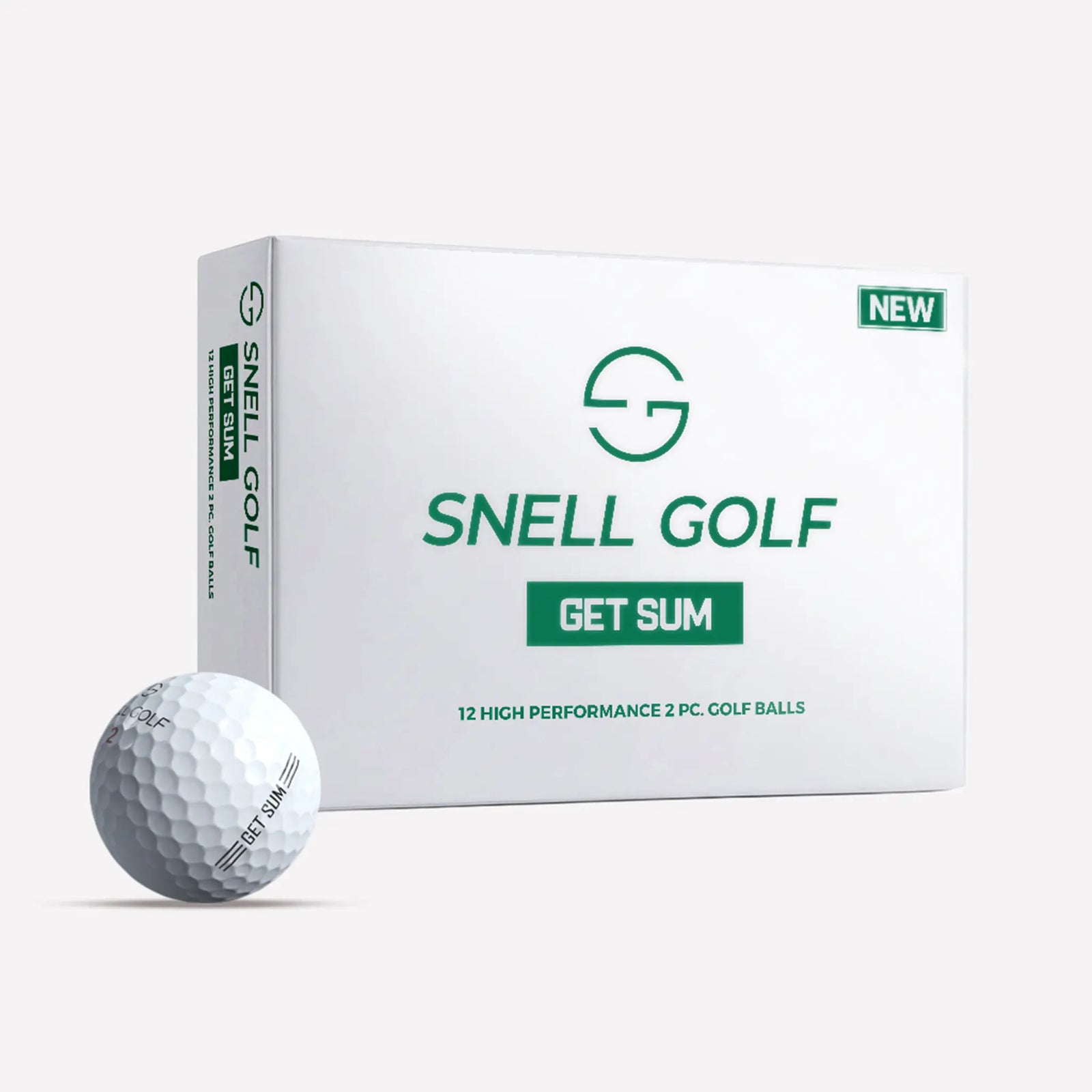
Get Sum
A two-piece ball with an ionomer blend cover. A value-focused option for players who prefer simpler, lower-spin performance and shots that release.
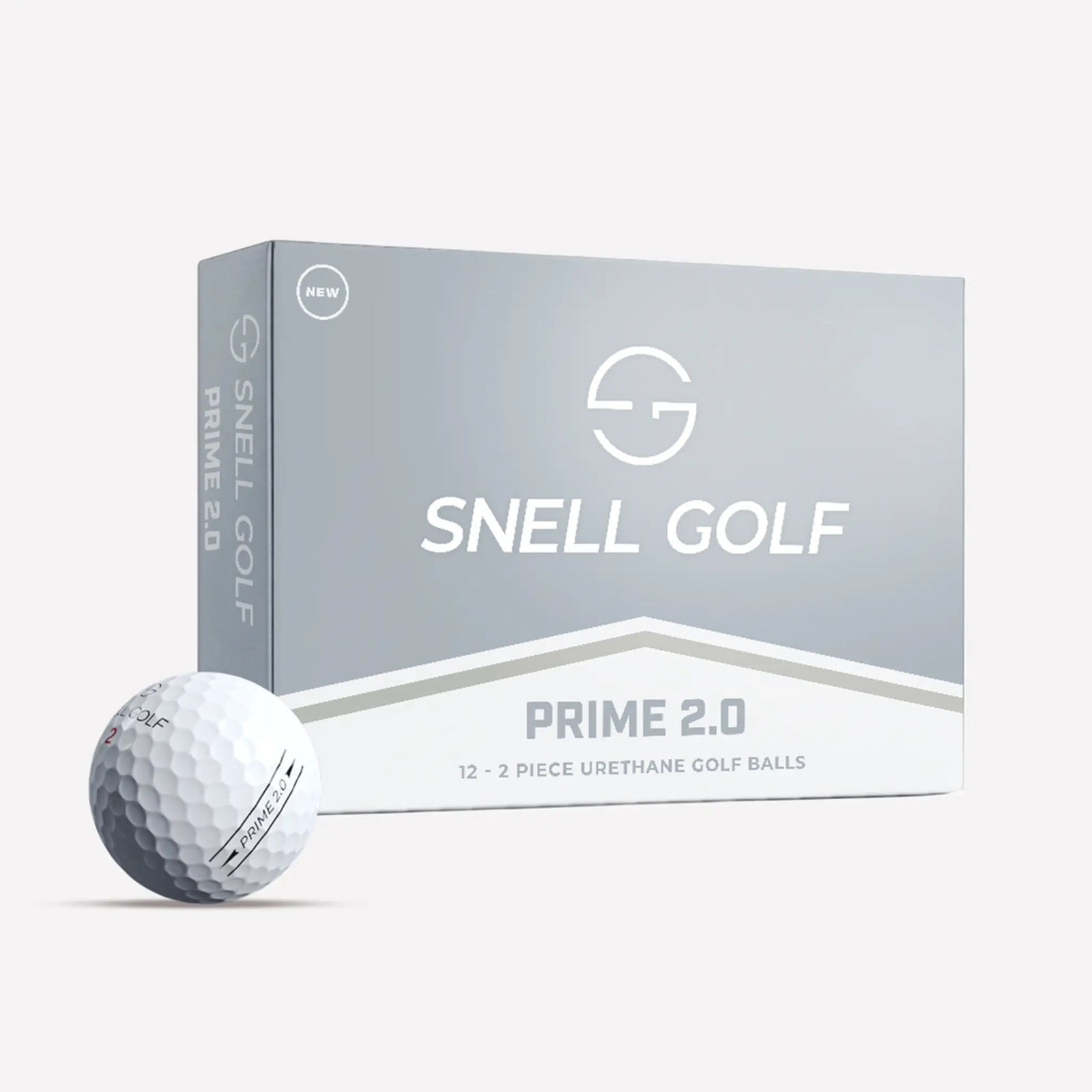
Shop Get SumPrime 2.0
A two-piece urethane-covered option for golfers who want a softer-feeling ball with added short-game spin.
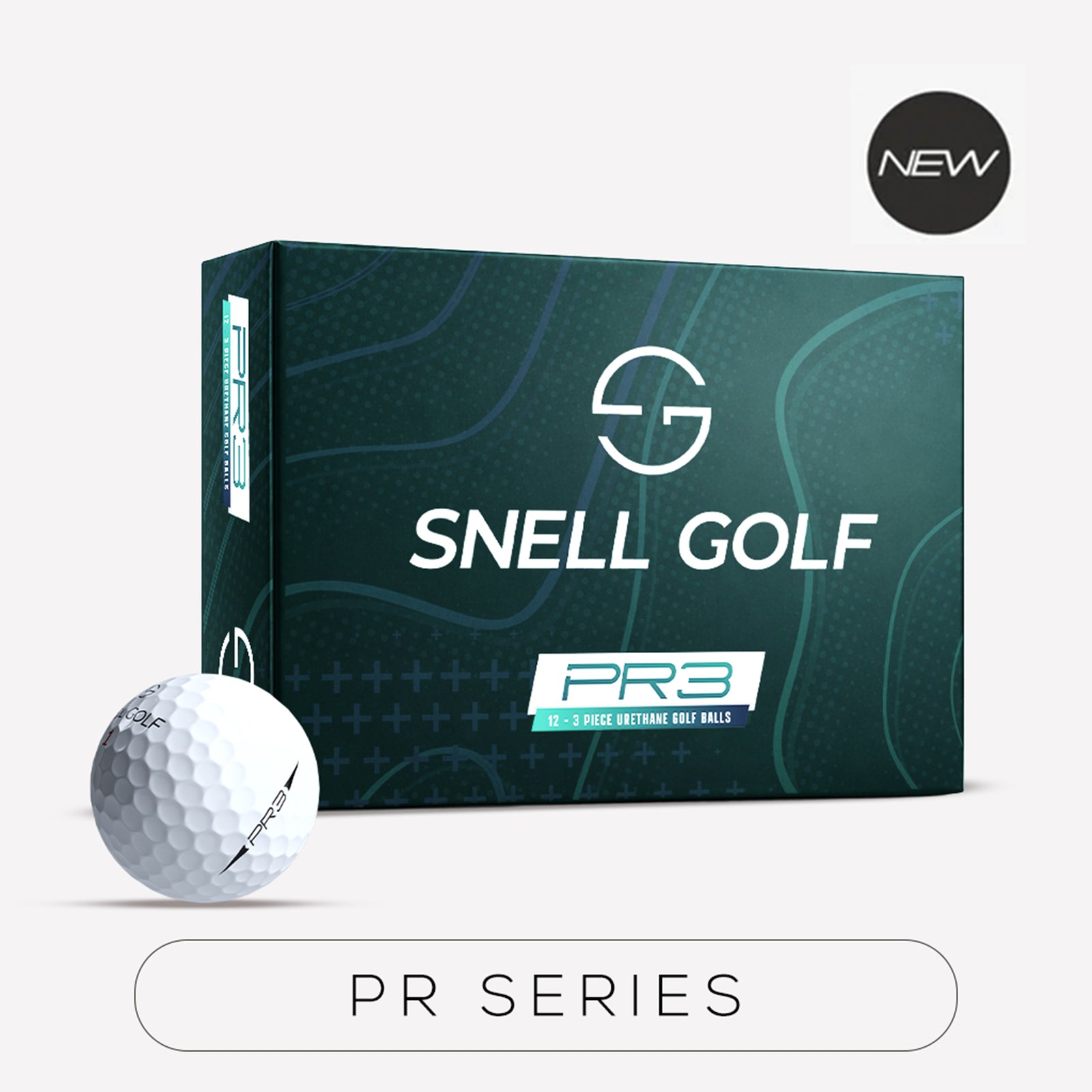
Shop Prime 2.0PR3
A three-piece urethane golf ball designed to balance distance, feel, and control, including scoring shots around the green.
Shop PR3PR4
A four-piece urethane golf ball offering another combination of feel, flight, and short-game performance to compare on the course.
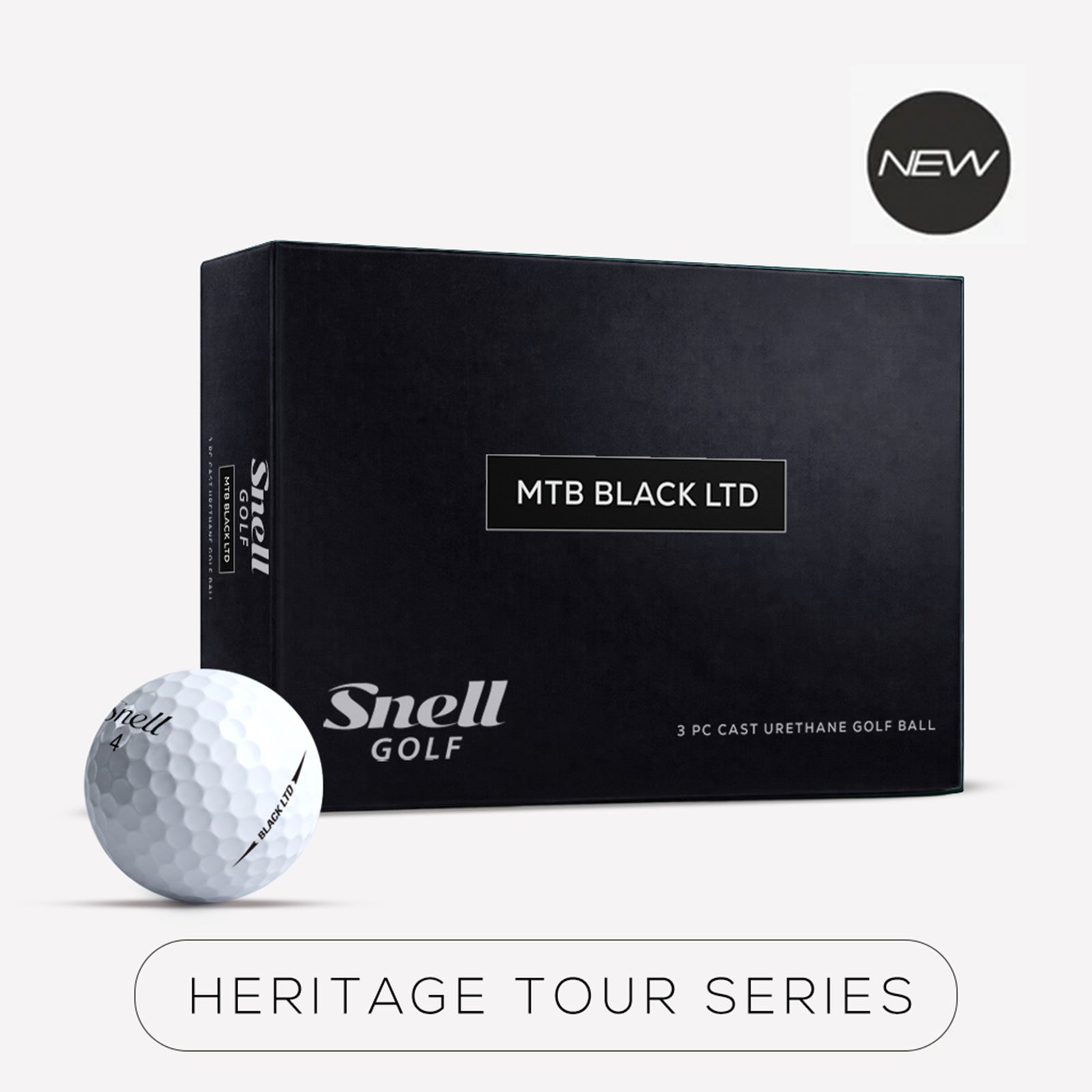
Shop PR4MTB Black LTD
A cast urethane golf ball built for inside 100 yards. Made for golfers who want more control on pitches, chips, and short approaches, where scoring happens.
Shop MTB Black LTDFinal Thoughts
You don't have to reach a certain handicap before you're allowed to play a premium golf ball. But you also don't have to spend more simply because a ball is labeled premium.
As Dean explains, if a softer two-piece ball gives you what you want, it can save you money. If you're working to improve your short game, a premium urethane ball may provide the additional control you're looking for.
Choose the ball based on the shots you want to hit, not just the number on your scorecard.
Prefer to watch on Youtube? View here and subscribe!
https://www.youtube.com/watch?v=qDI9obRzCR4